
“Mastering Atrial Fibrillation: Updated APRN CE Insights for Risk, Rhythm & Stroke Prevention”
APRN World · August 17, 2025 · 1 min read
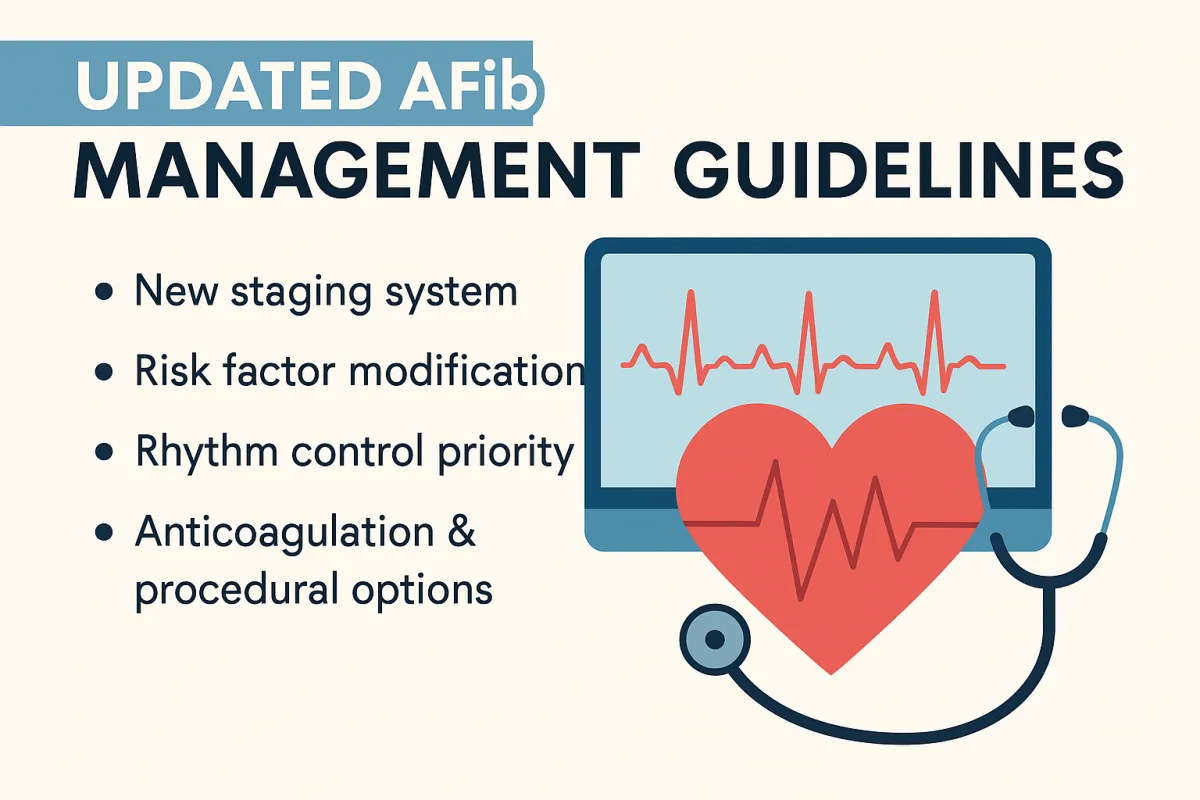
Staying current with the latest atrial fibrillation (AFib) management guidelines is vital for Advanced Practice Registered Nurses (APRNs). This CE blog explores the 2023–2025 updates from ACC/AHA/HRS/ESC: new staging systems, risk-factor mod, rhythm vs rate control priorities, and enhanced recommendations for anticoagulation and procedural interventions.
Key Updates & Clinical Implications
1. New Staging System & Early Intervention
The ACC and AHA introduce a four-stage AFib spectrum—from 'at risk' to permanent—emphasizing early detection, personalized interventions, and less reliance on prolonged medication trials
2. Emphasis on Lifestyle & Risk Factor Modification
Contemporary guidelines stress the importance of lifestyle interventions—such as weight management, sleep apnea control, and hypertension treatment—as foundational pillars of AFib prevention and management
3. Shift Toward Rhythm Control & Procedural Options
Newer guidance favors early rhythm control and makes catheter ablation a first-line option for certain patients—skipping the traditional step of failing medication trials
4. Updated Anticoagulation & Stroke Risk Stratification
Guidelines now encourage more holistic assessment beyond CHA₂DS₂‑VASc scores—elevating shared decision-making and considering bleeding risk with tools like HAS‑BLED and newer stroke modifiers
5. Integrated, Patient-Centered Care Models
ACC/AHA, HRS, and AHA documents (2023–2025) reinforce the importance of early detection, multidisciplinary care, and tailored interventions to elevate patient outcomes
APRN CE Course Value
These guideline evolutions provide APRNs with a compelling opportunity to:
- Gain updated expertise in risk stratification and when to choose rhythm control or ablation.
- Foster patient education on lifestyle impacts and medication decisions.
- Drive CE programming focused on real-world application—bridging new guidelines and effective patient care.
Turn this into CE hours
Explore accredited courses on this topic and earn contact hours toward your renewal.