
Advancements in Cardiopulmonary Bypass: Shaping the Future of Cardiac Surgery
APRN World · August 17, 2025 · 2 min read
Introduction
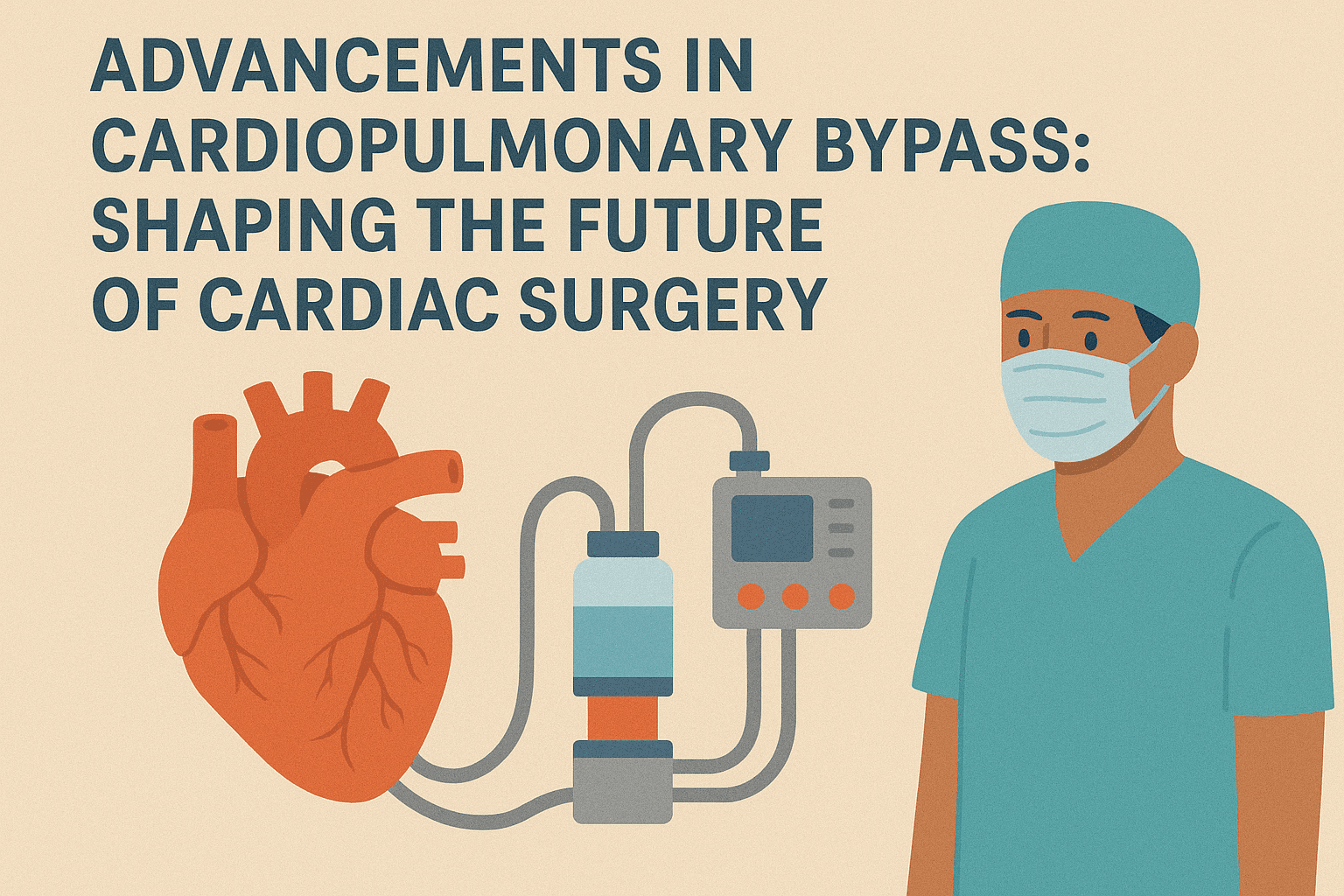
Cardiopulmonary bypass (CPB) has been the backbone of modern cardiac surgery for over six decades. By temporarily taking over the function of the heart and lungs, CPB allows surgeons to operate on a still and bloodless heart. In recent years, advancements in CPB technology and techniques have significantly improved patient safety, minimized complications, and enhanced recovery times. This blog explores the cutting-edge developments shaping the next generation of cardiac surgery.
Miniaturized and Portable CPB Systems
Modern CPB circuits are now smaller, more efficient, and portable, reducing the priming volume needed and lowering the risk of hemodilution. These compact systems are particularly beneficial in minimally invasive and pediatric cardiac procedures.
Improved Oxygenator Technology
Advances in membrane oxygenators have improved gas exchange efficiency while minimizing inflammatory responses. Modern biocompatible coatings reduce the risk of clot formation and improve hemocompatibility, contributing to safer and smoother surgeries.
Goal-Directed Perfusion (GDP)
GDP uses real-time monitoring of patient-specific parameters—such as oxygen delivery, perfusion pressure, and hematocrit levels—to tailor CPB management. This personalized approach has been linked to reduced organ dysfunction and better post-operative recovery.
Minimally Invasive CPB Techniques
Hybrid surgical-catheter approaches and smaller cannulas now enable CPB use in minimally invasive heart surgeries, reducing trauma, post-operative pain, and hospital stays while maintaining surgical precision.
Enhanced Neurological Protection
New strategies—including selective cerebral perfusion and advanced temperature management—help protect the brain during prolonged CPB. Combined with refined anesthesia techniques, these measures reduce the risk of post-operative cognitive decline.
Integration with Digital Health and AI
Emerging systems integrate with AI-powered monitoring platforms that analyze perfusion data in real time, detect anomalies, and assist perfusionists in making faster, evidence-based adjustments during surgery.
Conclusion
The field of cardiopulmonary bypass is evolving rapidly, with innovations aimed at improving safety, reducing complications, and expanding the range of surgical possibilities. From miniaturized systems to AI integration, these advancements are helping cardiac surgery teams deliver better outcomes and shorter recovery times for patients. Staying informed about these developments is essential for any healthcare professional involved in cardiac care.
Call-to-Action (CTA)
Stay at the forefront of cardiac surgery innovation—enroll in APRN WORLD’s Cardiovascular Surgery and Perfusion Technology CEU courses to keep your skills current and your practice evidence-based.
Turn this into CE hours
Explore accredited courses on this topic and earn contact hours toward your renewal.