
Intra-Aortic Balloon Pump: What We Need to Know
APRN World · August 12, 2025 · 2 min read
Introduction
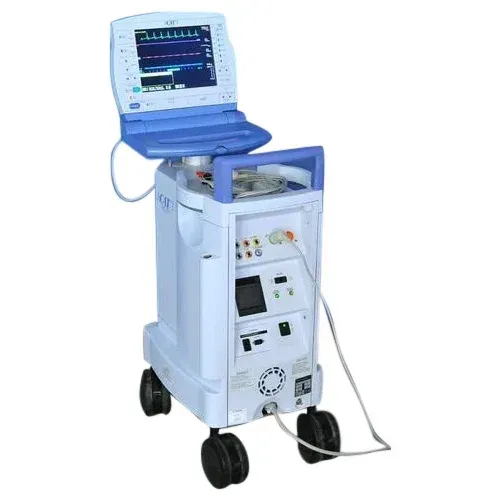
The intra-aortic balloon pump (IABP) has been a mainstay of temporary mechanical circulatory support for decades. Though newer devices like Impella® and ECMO have emerged, the IABP remains widely used due to its relative simplicity, cost-effectiveness, and safety profile. For Advanced Practice Registered Nurses (APRNs), understanding IABP therapy is critical for managing patients with cardiogenic shock, acute coronary syndromes, and perioperative cardiac instability.
How the IABP Works
The IABP is a counterpulsation device inserted into the descending thoracic aorta, typically via the femoral artery. It inflates during diastole and deflates just before systole, creating two main benefits:
- Increased coronary artery perfusion during diastole.
- Reduced afterload, decreasing myocardial oxygen demand.
Timing is key—balloon inflation and deflation are synchronized with the patient’s ECG or arterial waveform to optimize hemodynamic effects.
Primary Indications
- Cardiogenic shock post-myocardial infarction
- High-risk percutaneous coronary intervention (PCI)
- Bridge to definitive therapy (CABG, transplant, ventricular assist device)
- Mechanical complications of MI (e.g., papillary muscle rupture, VSD)
- Severe heart failure unresponsive to medical therapy
- Support during weaning from cardiopulmonary bypass
Contraindications
- Aortic regurgitation (moderate to severe)
- Aortic dissection
- Severe peripheral vascular disease
- Uncontrolled sepsis or bleeding disorders
Nursing & APRN Role in IABP Management
Pre-Insertion Responsibilities
- Verify patient consent and understanding of procedure.
- Assess vascular access sites and pulses.
- Prepare monitoring equipment (ECG, arterial line).
Post-Insertion Monitoring
- Hemodynamic parameters: MAP, cardiac output, pulmonary artery pressures if available.
- Balloon timing: Verify inflation at the dicrotic notch and deflation just before systole.
- Peripheral circulation: Assess distal pulses, skin temperature, and color frequently.
- Insertion site: Monitor for bleeding, hematoma, or infection.
Complication Prevention
- Maintain patient in a supine or limited head elevation position to prevent catheter kinking.
- Avoid hip flexion on insertion side.
- Use strict aseptic technique with dressing changes.
- Regularly check for balloon rupture (blood in helium tubing).
Common Complications
- Limb ischemia from arterial occlusion.
- Balloon rupture (rare but requires immediate removal).
- Bleeding at insertion site.
- Infection if prolonged use (>72 hours).
- Aortic injury (rare, more likely in calcified vessels).
Weaning and Removal
Weaning typically involves gradually decreasing the assist ratio from 1:1 → 1:2 → 1:3, monitoring for hemodynamic stability at each stage. Removal is performed under sterile conditions, followed by manual pressure or closure device use, with close observation for bleeding or hematoma.
Current Trends & Evidence
Recent trials have questioned the mortality benefit of IABP in all-comer cardiogenic shock, leading to more selective use. However, in perioperative cardiac surgery and specific acute MI scenarios, the device remains a valuable support tool. APRNs should remain current on evolving guideline recommendations and institutional protocols.
The APRN Education Perspective
Mastery of IABP management is vital for APRNs in cardiac ICUs, cath labs, and surgical recovery units. Continuing education ensures:
- Competency in waveform interpretation.
- Proficiency in troubleshooting device alarms.
- Confidence in patient and family education about the therapy.
APRN WORLD provides cost-effective, visually rich CE modules on mechanical circulatory support devices, including IABP, Impella, and ECMO—preparing providers to lead in high-acuity cardiac care settings.
Turn this into CE hours
Explore accredited courses on this topic and earn contact hours toward your renewal.